Prosthodontics
4 min read
Jul 10, 2025
How to Store Spare Dentures Long-Term: Expert Tips to Keep Them Safe
Stashing a spare set of dentures might seem like a low-effort backup plan, but without proper care, those “just in case” teeth can turn into a warped, brittle mess. Whether you're saving them for emergencies or travel, storing your dentures the right way can make all the difference.

Your spare dentures might not be your daily go-to, but when something unexpected happens (a crack, a drop, a misplaced set), they can quickly become your best friend. Just like your everyday pair, backup dentures need proper care and smart storage to stay in good condition for the long haul. If you’ve ever wondered how to store spare dentures long-term without having them dry out, warp, or collect dust like forgotten leftovers in the fridge, this guide’s for you.
Denture Basics: Why Proper Storage Matters
Dentures are made from acrylic and other materials that don’t respond well to dryness, heat, or guesswork. Leaving them on the nightstand for a week? Not a great plan. Dentures need moisture, consistent temperature, and cleanliness, even when they’re not in your mouth. Without proper denture care, your backup set could lose their shape or become too brittle to wear. Worse, they might not fit when you actually need them.
Where and How to Store Dentures Long-Term
So, how do you store dentures for a long period and still trust them when it’s time to use them? Here’s a trick many denture wearers don’t know: put them in your freezer. Yes, really.
After thoroughly cleaning your old dentures, place them in a small baggy filled with water, then zip it shut to keep them moist and clean. Label it clearly (you’d be surprised how many people forget what’s in there six months later). Then put your old dentures in the freezer and save them. The cold helps keep your dentures in good condition, and when they’re sealed in water, it prevents them from drying out or getting contaminated.
Soak and Store: Moisture Is Key
If freezing isn’t your thing, no worries, soak your dentures in a cup of distilled water instead. Dentures in tap water can collect minerals and bacteria over time, which isn’t ideal for something going back in your mouth. Distilled water is cleaner, safer, and helps keep them moist without weird odors. Whether you use a denture cleanser or just water, make sure the dentures are fully submerged.
Avoid storing dentures in hot water, which can cause them to warp. Warped dentures don’t fit right, and that leads to sore spots, discomfort, or worse, having to get a new set entirely.
Clean Dentures Before You Store Them
It might be tempting to toss your spare dentures into a container and deal with them later. But hold on, clean dentures before you store them or you’ll be growing your own science experiment. Food particles, plaque, and denture adhesive can harden over time, making them harder to clean later (and way grosser).
Use a denture brush and denture cleaner, not toothpaste, which can scratch the acrylic. Once clean, rinse thoroughly before storing them in a proper denture cleaning solution or clean water.
Denture Storage Tips from the Pros
We’ve seen it all at our denture clinic, and the truth is, most problems with backup dentures are totally avoidable. Here are our top denture storage tips:
Leave them in water or a denture solution when not frozen.
Avoid storing dentures in hot environments like sunny window sills.
Don’t leave your dentures out in open air; they’ll dry out.
Check your stored dentures every few months to refill water and inspect for damage.
Label your spare set clearly to avoid mix-ups with older ones.
Dentures in Water and What Not to Do
While tap water is okay in a pinch, over time it can cause buildup. For long-term storage, store your dentures in water that’s either distilled or combined with a mild denture cleanser. A zip lock freezer bag or sealed container adds peace of mind.
Dos and Don’ts:
Do:
Use cold or room-temp water or solution
Clean thoroughly before storing
Use a labeled, sealed container or zip lock bag
Don’t:
Use boiling water; it’ll warp or crack the dentures
Use abrasive cleaners or toothpaste
Leave dentures exposed to open air
Dentures Need Love Too
Even if you’re not wearing your dentures every day, they still need TLC. Your partial dentures, upper dentures, or lower denture, whatever the type, shouldn’t be treated like an old pair of shoes. Think of them like emergency contact lenses: you want them to work the moment you need them.
And let’s not forget, ill-fitting dentures or those stored improperly may require a visit to your dentist for an adjustment or replacement. That’s an extra appointment, extra expense, and extra hassle.
Place Dentures Carefully and Skip the Junk Drawer
Last tip: don’t toss your loose denture into the bathroom drawer with rubber bands and spare buttons. Place your dentures in a designated container or the water and zip lock setup. That way, whether it’s been a week or a year, your dentures are ready when you are.
Spare dentures might be your “just in case” backup, but storing your dentures correctly ensures they’ll actually be there for you when it counts. With a little proper storage, you can extend the longevity of your investment, avoid those “cracked denture” moments, and feel prepared for anything, lost luggage, broken teeth, or surprise overnight trips included.
How Should I Store Spare Dentures Long-Term?
Spare dentures should be stored in moisture to prevent drying or warping. You can place them in a sealed container filled with distilled water or even freeze them in a zip-top bag with water. Just make sure they’re thoroughly cleaned before storage and kept out of hot or sunny environments.
Can I Store Dentures in Tap Water?
Tap water is okay for short-term soaking, but it may lead to mineral buildup or bacterial contamination over time. For long-term storage, distilled water or a mild denture cleanser is safer and helps preserve the fit and condition of your denture.
Why Should I Clean Dentures Before Storing Them?
Cleaning dentures before storage removes food particles, plaque, and adhesive that can harden and become difficult to clean later. Dirty dentures stored long-term can develop odors, bacteria, and stains, making them less hygienic and possibly unusable.
What’s the Worst Way to Store Dentures?
Leaving dentures dry or exposed to heat, like in open air, hot water, or a sunny windowsill, can cause warping, cracks, and brittleness. Avoid tossing them into drawers or storing without moisture; always use a sealed, labeled container with water or cleanser.Ask ChatGPT
Read Next
Related Posts
Prosthodontics
Implant vs. Dentures Pros and Cons: A Deep Dive into Modern Solutions
Missing teeth can impact more than just your smile, they can affect how you eat, speak, and feel about yourself. Fortunately, modern dentistry offers two leading solutions to bring back both function and confidence: dentures and dental implants. Understanding the pros and cons of each can help you make the choice that fits your needs, lifestyle, and budget.
7 min read
Oct 17, 2025
Prosthodontics
Full Mouth Implants vs. Dentures: Which Is Better for You?
When it comes to replacing missing teeth, the choice between full mouth dental implants and dentures can be overwhelming. Each option has its own set of benefits, limitations, and long-term considerations, making it essential to understand what works best for your needs, health, and lifestyle.
5 min read
Oct 17, 2025
Prosthodontics
Tooth-Supported Bridge vs. Implant Comparison: Benefits, Drawbacks, and Insights
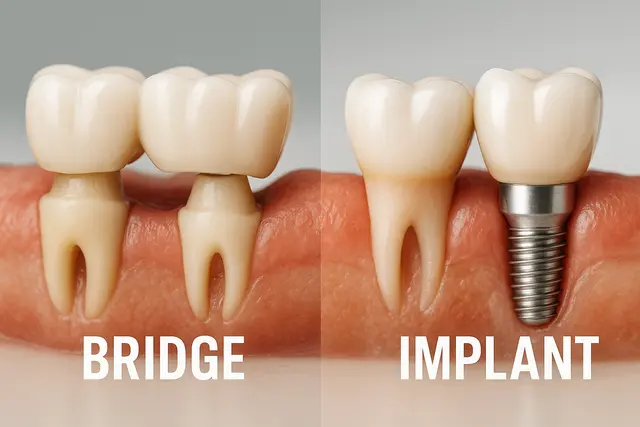
Deciding between a dental bridge and a dental implant can feel overwhelming, especially when both options promise to restore your smile and improve oral function. Each solution comes with its own set of benefits, considerations, and ideal use cases, making it essential to understand how they compare before choosing what’s right for you.
6 min read
Oct 17, 2025
Don’t have time to research every dentist around you?


See why 30k+ patients trusted us